Mongolian Beef Noodles Recipe – Easy Weeknight Stir-Fry Dinner
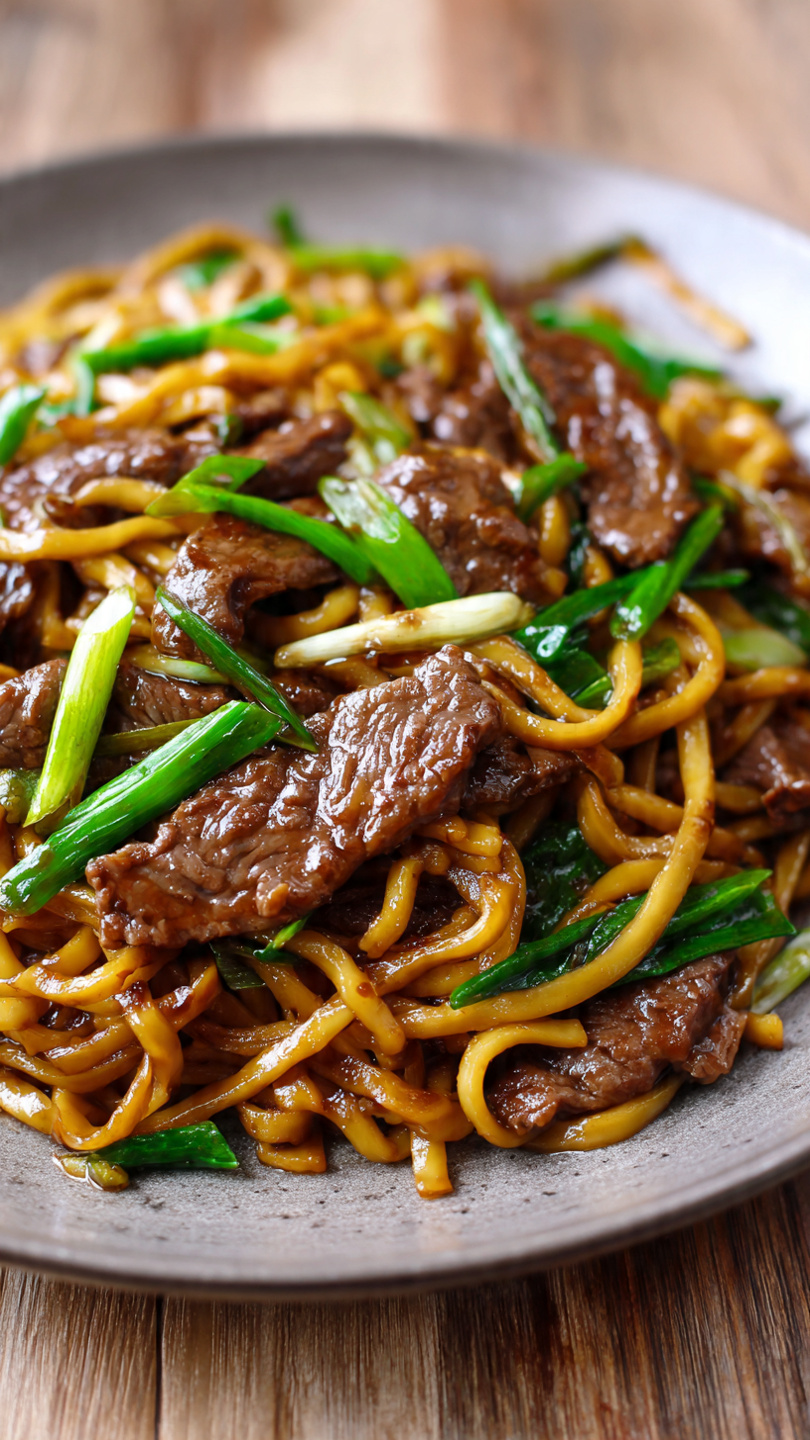
Mongolian beef noodles are one of those meals that feel like takeout, but come together in your own kitchen with pretty simple ingredients. Tender strips of beef, chewy noodles, and a glossy sweet-savoury sauce all land in one pan. It is comforting without being fussy, and it is exactly the kind of dish you can throw together on a weeknight without too much planning.
The idea here is straightforward: cook some noodles, sear thin slices of beef flank steak until they are nicely browned, then bring everything together in a soy, brown sugar, and ginger-garlic sauce. The result is a bowl of Mongolian beef noodles that feels satisfying and a bit special, without needing anything fancy or complicated.
If you like the flavour of classic Mongolian beef but want something you can twirl around your fork, this version with noodles is a very easy way to get it on the table.
Ingredients for this Mongolian Beef Noodles
Before you start cooking, it helps to have everything measured and ready. The recipe moves quickly once the beef hits the pan, so a little prep up front makes the whole process feel calm instead of rushed.
Here is what you will need for these Mongolian beef noodles:
- Dried spaghetti or thick egg noodles (8 oz) – These form the base of the dish. Spaghetti works well if that is what you have, and thick egg noodles give a slightly chewier, takeout-style texture.
- Beef flank steak (1 lb), thinly sliced against the grain – Slicing against the grain keeps the beef tender. Because the slices are thin, they cook very quickly and stay juicy.
- Cornstarch (3 tbsp) – Coating the beef in cornstarch helps it brown nicely and also gives the sauce a bit of body so it clings to the noodles.
- Vegetable oil, divided (2 tbsp) – Used for searing the beef. Any neutral oil that can handle a fairly high heat works fine.
- Garlic, minced (4 cloves) – Adds that familiar savoury base that makes the kitchen smell like dinner is really happening.
- Fresh ginger, finely grated (1 tbsp) – Brings a gentle warmth and freshness to the sauce.
- Low-sodium soy sauce (1/2 cup) – The main salty, savoury element of the Mongolian beef noodles sauce.
- Water (1/3 cup) – Helps balance the soy sauce and gives the sauce enough volume to coat the noodles.
- Packed brown sugar (1/3 cup) – Classic Mongolian-style sweetness that plays against the soy and ginger.
- Crushed red pepper flakes (1 tsp) – For a gentle heat. You can always dial it down if you prefer a milder bowl of noodles.
- Rice vinegar (1 tbsp) – A small splash to brighten the sauce and keep it from tasting flat.
- Sesame oil (1 tbsp) – Stirred into the sauce for a nutty aroma that rounds everything out.
- Green onions, sliced (4 whole, white and green parts separated) – The white parts cook with the aromatics, and the green parts go in at the end for freshness.
- Matchstick carrots (1 cup) – They soften slightly in the pan but keep a bit of crunch, giving the Mongolian beef noodles some colour and texture.
- Ground black pepper (1/4 tsp) – Added near the end to sharpen the flavour just a little.
Once these are laid out on your counter, you are basically ready to cook. It is one of those moments where the prep looks like more work than it is, and then everything comes together quickly in the pan.
Instructions
Think of this recipe in three short stages: cook the noodles, brown the beef, then build the sauce and bring it all together. Here is how to make Mongolian beef noodles step by step.
- Cook the noodles. Bring a large pot of salted water to a boil. Add the dried spaghetti or thick egg noodles and cook according to the package directions until just al dente. You want them cooked through but still a bit firm, because they will spend another minute or two in the pan.
- Drain and cool slightly. Drain the noodles, then rinse briefly under cool water to stop the cooking. Drain again well and set them aside. They will look a little plain at this stage, but they are about to soak up all the sauce.
- Coat the beef in cornstarch. Place the thinly sliced flank steak in a bowl. Sprinkle the cornstarch over the beef and toss with your hands or tongs until every slice is evenly coated and there are no dry pockets of cornstarch left. This light coating is what helps the beef get that nice seared edge.
- Mix the sauce. In a separate bowl or large measuring jug, whisk together the low-sodium soy sauce, water, brown sugar, crushed red pepper flakes, rice vinegar, and sesame oil until the sugar is fully dissolved. Set this sauce mixture near the stove so it is ready when you need it.
- Heat the pan. Place a large skillet or wok over medium-high heat and add 1 tablespoon of the vegetable oil. When the oil is shimmering and hot, you are ready for the beef.
- Sear the first batch of beef. Add about half of the cornstarch-coated beef to the skillet in a single layer. Let it cook for 2 to 3 minutes, turning once, until browned on the outside. It does not need to be cooked all the way through yet; it will finish in the sauce.
- Repeat with the remaining beef. Transfer the browned beef to a plate. Add the remaining 1 tablespoon of vegetable oil to the skillet and repeat with the rest of the beef, cooking it the same way and transferring it to the plate when done. You will see browned bits on the bottom of the pan, and that is good flavour.
- Cook the aromatics. Reduce the heat to medium. Add the minced garlic, grated ginger, and the white parts of the sliced green onions to the same skillet. Sauté for about 30 seconds, stirring constantly, just until fragrant. You do not want the garlic to brown.
- Add and simmer the sauce. Pour the soy sauce mixture into the skillet with the aromatics, scraping up any browned bits from the bottom with a wooden spoon. Bring it to a gentle simmer and let it cook for 2 to 3 minutes, stirring occasionally, until it thickens slightly and looks glossy.
- Return the beef to the pan. Add the browned beef and any juices that have collected on the plate back into the skillet. Toss to coat the slices in the sauce so every piece gets a bit of that Mongolian-style glaze.
- Add the carrots. Stir in the matchstick carrots and cook for 1 to 2 minutes. They should soften just a little while still keeping some crunch, which gives the Mongolian beef noodles a nice bite.
- Toss in the noodles. Add the cooked noodles to the skillet. Use tongs to toss everything together until the noodles are evenly coated and the beef and carrots are tucked throughout the pan. This might take a minute, but keep turning and lifting until it all looks evenly sauced.
- Season and finish. Sprinkle in the ground black pepper and the green parts of the sliced green onions. Toss again to distribute them through the noodles. Taste a forkful and adjust if needed, adding a touch more soy sauce for salt or a little more brown sugar if you like it sweeter.
- Let it settle, then serve. Take the skillet off the heat and let the Mongolian beef noodles sit for about 2 minutes. This short pause helps the sauce cling to the noodles. Then dish it up into bowls and serve warm.
Once you have done it once or twice, the whole process starts to feel very intuitive. You will probably find yourself making Mongolian beef noodles on those evenings when you want something satisfying, but do not feel like spending all night in the kitchen.
Cook and Prep Times
- Prep time: 20 minutes
- Cook time: 20 minutes
- Total time: 40 minutes
- Servings: 4 bowls of Mongolian beef noodles
Nutritional information
This is an approximate breakdown per serving of Mongolian beef noodles (about one quarter of the recipe):
- Calories: 560 kcal
- Carbohydrates: 59 g
- Protein: 32 g
- Fat: 21 g
- Saturated fat: 5 g
- Sodium: 1180 mg
- Fiber: 3 g
- Sugar: 18 g
It is a fairly hearty bowl, the kind of meal that can easily stand on its own. If you want to balance it out a bit, you can always pair your Mongolian beef noodles with a simple side of steamed vegetables or a light salad, but it is also completely fine just as it is.
Frequently asked questions
Can I use a different cut of beef for Mongolian beef noodles?
Yes, you can. Flank steak is a great choice because it stays tender when sliced thinly against the grain, but you can also use sirloin or another quick-cooking cut. The key is to slice the beef very thin and keep the heat fairly high so it browns quickly without drying out. Tougher cuts that need long, slow cooking are not ideal here, because Mongolian beef noodles come together fast in the pan.
How can I make the Mongolian beef noodles less salty or less sweet?
If you prefer a less salty dish, stick with low-sodium soy sauce and avoid adding extra at the end. You can also add a splash more water to the sauce if you want it a bit lighter. For a less sweet version, reduce the brown sugar slightly and taste as you go. The nice thing about these Mongolian beef noodles is that you can tweak the balance of soy and sugar to suit your own taste without changing the method.
Do Mongolian beef noodles reheat well?
They do, with a couple of small tricks. Store leftover Mongolian beef noodles in an airtight container in the fridge. When you reheat them in a skillet over medium heat, add a tablespoon or two of water to loosen the sauce and help the noodles warm through without drying out. You can also reheat them in the microwave, pausing once to stir. The noodles will be a bit softer the next day, but the flavours actually settle in nicely.
Once you have a batch of Mongolian beef noodles under your belt, it becomes one of those comfort recipes you can lean on: simple ingredients, clear steps, and a bowl of food that feels like it took more effort than it really did.

Mongolian Beef Noodles
Ingredients
- 8 oz dried spaghetti or thick egg noodles
- 1 lb beef flank steak, thinly sliced against the grain
- 3 tbsp cornstarch
- 2 tbsp vegetable oil, divided
- 4 cloves garlic, minced
- 1 tbsp fresh ginger, finely grated
- 1/2 cup low-sodium soy sauce
- 1/3 cup water
- 1/3 cup packed brown sugar
- 1 tsp crushed red pepper flakes
- 1 tbsp rice vinegar
- 1 tbsp sesame oil
- 4 whole green onions, sliced (white and green parts separated)
- 1 cup matchstick carrots
- 1/4 tsp ground black pepper
Instructions
- Cook the noodles according to the package directions in a large pot of salted boiling water until just al dente.
- Drain the noodles, rinse briefly under cool water to stop the cooking, drain again, and set aside.
- Place the thinly sliced flank steak in a bowl and sprinkle the cornstarch over the beef.
- Toss the beef with your hands or tongs until all the slices are evenly coated in cornstarch and no dry patches remain.
- In a separate bowl or large measuring jug, whisk together the low-sodium soy sauce, water, brown sugar, crushed red pepper flakes, rice vinegar, and sesame oil until the sugar is dissolved.
- Heat 1 tablespoon of the vegetable oil in a large skillet or wok over medium-high heat until shimmering.
- Add half of the cornstarch-coated beef in a single layer and cook for 2 to 3 minutes, turning once, until browned on the outside but still tender inside.
- Transfer the browned beef to a plate, then add the remaining 1 tablespoon of vegetable oil to the skillet and repeat with the remaining beef, transferring it to the same plate when done.
- Reduce the heat to medium, then add the minced garlic, grated ginger, and the white parts of the sliced green onions to the same skillet.
- Sauté the aromatics for about 30 seconds, stirring constantly, until fragrant but not browned.
- Pour the soy sauce mixture into the skillet, stirring to combine with the aromatics, and bring the sauce to a gentle simmer.
- Let the sauce simmer for 2 to 3 minutes, stirring occasionally, until slightly thickened and glossy.
- Add the browned beef and any accumulated juices from the plate back into the skillet, tossing to coat the beef in the sauce.
- Stir in the matchstick carrots and cook for 1 to 2 minutes, just until they begin to soften but still keep a bit of crunch.
- Add the cooked noodles to the skillet and use tongs to toss everything together until the noodles are evenly coated in the Mongolian beef sauce.
- Sprinkle in the ground black pepper and the green parts of the sliced green onions, then toss again to distribute them through the noodles.
- Taste the Mongolian beef noodles and adjust the seasoning if needed, adding a little more soy sauce for saltiness or brown sugar for sweetness if you like.
- Remove the skillet from the heat and let the Mongolian beef noodles sit for 2 minutes so the sauce clings to the noodles before serving.